Everything you need to know about the March 2026 contactless payment limit changes
Changes to the £100 Contactless Payment Limit



 Read time: 5 minutes
 Published: 17th March 2026


Contactless credit and debit card payments were first introduced in 2007 with an initial transaction limit of £10. Over the years, the contactless payment limit has gradually increased, with the current limit of £100 having come into force in October 2021.
For many, contactless is the most favourable way to pay, with 69% of UK adults stating that tapping their card, phone, or smartwatch is their preferred choice when completing a transaction. Interestingly, 29% of Gen-Z consumers in the UK admit that they struggle to remember their PIN or have completely forgotten it.
With these statistics in mind, it’s perhaps no surprise that current contactless payment regulations are being assessed and refreshed to consider growing popularity and usage.
What is the current contactless payment limit?
As of March 4, 2026, debit and credit card users can make a contactless payment using a physical card, up to the value of £100. For any purchase made above that amount, the customer will need to enter their PIN.
However, as of March 19, 2026, debit and credit card providers will be able to set their own contactless payment limit. This will include the choice to remove the limit altogether.
These changes have been authorised by the Financial Conduct Authority (FCA).
It’s important to note that contactless payments made using a mobile phone - for example, through Google Pay or Apple Pay - will not typically be included in the £100 limit. This will vary between providers.
When is the contactless limit changing?
The changes to the contactless payment limit begin on March 19, 2026. It’s important to be aware that these changes may or may not affect you, as your contactless options will depend on your card provider’s own policies.
Are all card providers scrapping the £100 contactless limit?
No, the decision whether to increase or remove the £100 contactless limit lies with each debit and credit card provider.
Some providers may allow customers to set their own limits.
Potential advantages of an increased or removed £100 contactless payment limit
- Convenience
Making a contactless payment is often quicker and more straightforward than trying to remember and enter your PIN.
Potential disadvantages of an increased or removed £100 contactless payment limit
- The risk of overspending
As we’ve established, many consumers consider contactless a convenient way to pay, but this could also have negative consequences.
When making a contactless payment, it can be all too easy to tap, go, and forget. This could lead to overspending, especially if there are no limits.
Interestingly, when asked about the proposed increase or removal of the contactless credit limit, 78% of survey respondents said that they were not in favour of the changes, and it’s thought that worrying about overspending could be a factor.
As a general rule, whether using a debit or credit card, you should never spend more money than you need to or can afford to repay. If you have a credit card, be sure to stay within your credit limit. - Possible increased risk of fraud and theft
If your debit or credit card was lost or stolen, a high or non-existent contactless payment limit means thieves could quickly and easily drain your account. - Move towards a cashless society
The removal of the contactless payment limit could encourage more people to solely rely on card payments and step away from using cash. A recent report by the BBC made a great point about the dangers of becoming a cashless society. Financial abuse charities have stressed the importance of access to cash, with many victims relying on cash due to their banking information being monitored by their abuser.
Worried about financial abuse? Please see our guide. You are not alone, and help is available.
Changes to the £100 contactless payment limit: the thimbl credit cards
As of March 2026, our credit card provider, Zable, will not be increasing or altering the limit for contactless payments.*
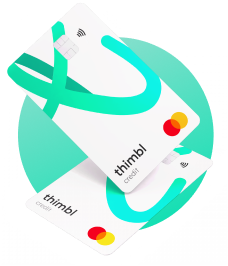
This means that nothing has changed in terms of how you use your physical thimbl credit card; you can still use your thimbl credit card to make a contactless payment up to £100, but for transactions over this amount you’ll need to enter your PIN.
Why isn’t thimbl increasing or scrapping the contactless limit?
Our credit card provider, Zable, has decided, for now, not to make any changes.
That’s not to say that this decision cannot and will not be revisited in the future, and of course, we’ll let you know of any changes.
Add thimbl to your Google or Apple wallet
If you haven’t already, you might be interested to learn that you can add your physical and virtual thimbl credit card to your Google or Apple wallet.
Click here to find out how to add a thimbl credit card to Google Wallet, and here for further information on how to add a thimbl credit card to Apple Wallet.
Has my contactless limit increased? Has my contactless limit been removed?
Whether your contactless limit has been increased or removed will be down to the decision made by your credit card provider.
The FCA states that any card providers making changes to their contactless limit are responsible for letting you know. If you’re unsure, get in touch with your card provider.
I can’t afford to pay my credit card; what should I do?
If you’re struggling to make your monthly repayments, you should contact your credit card provider as soon as you can. There may be things that they can suggest to make the situation easier for you. Please note that every provider is different, but you could be offered a repayment holiday or temporarily reduced repayments.
Are you concerned about your financial situation?
Talking about money can be uncomfortable, but please know that you can get free, confidential financial advice through the following organisations: StepChange, MoneyHelper, Citizens Advice, and National Debtline.
*thimbl is a credit broker. The thimbl credit card is powered by Zable. Zable is a trading name of Lendable Ltd.

Page last reviewed: 17th March 2026
Page reviewed by: Harry Lawrance
You get all this with thimbl

Tap and go
Quick and easy contactless payments up to £100.

Secure banking app
Manage your credit card online, wherever and whenever you like, with the free mobile app.

A trusted service
Over 4,500 positive reviews from our customers.
48.9% APR Representative (variable)
Quick links

Worried about money?
If you're worried about the cost of living, need support with budgeting, or think you might need debt advice, StepChange could help. They offer free and impartial support and help hundreds of thousands of people every year to deal with their debts and take control of their finances.
To find out how StepChange could help you, take the free Money Health Check. It's quick and easy to complete, and will give you a personalised recommendation on what to do next.
Credit Builder Credit Card
Over 200,000 people have already been accepted for a thimbl Credit Builder Credit Card
 Check if you're eligible with no impact to your credit scorePersonalised credit limit between £200 and £2,000
48.9% APR Representative (variable)
Meet the team

Head of Compliance

Head of Partnerships

Managing Director, thimbl

Marketing Manager, thimbl

Financial Content Writer
Frequently asked
questions
If you've got a question, you may just find the answer you're looking for here. If not, please visit our contact us page and get in touch.
What will my credit limit be?
You will always be made aware of any credit limit changes to any credit cards you have beforehand, and you do not have to accept a credit limit increase if you don't feel it's right for you.
What happens if I fail to make my repayments?
Missed payments will be reported to the credit bureaus, and your account will appear as in arrears. You will be charged a late fee, which is usually around £12. Your credit rating is also likely to decline as a result.
You should try to make your missed payments as soon as possible.
If you're struggling to keep on top of your repayments, you can find free, impartial advice from MoneyHelper, StepChange, Citizens Advice and National Debtline
If you want to know more about how credit cards work, you can read our blog.
Did you find this article helpful?
Let us know how we can be more helpful
Please leave your anonymous feedback to help us keep improving.
Need help or support?
Whether it's a question or you just need support, we're here to help.


